
Shore power is essential for many vessels, but a shore power connection can introduce influences that can contribute to serious corrosion events.
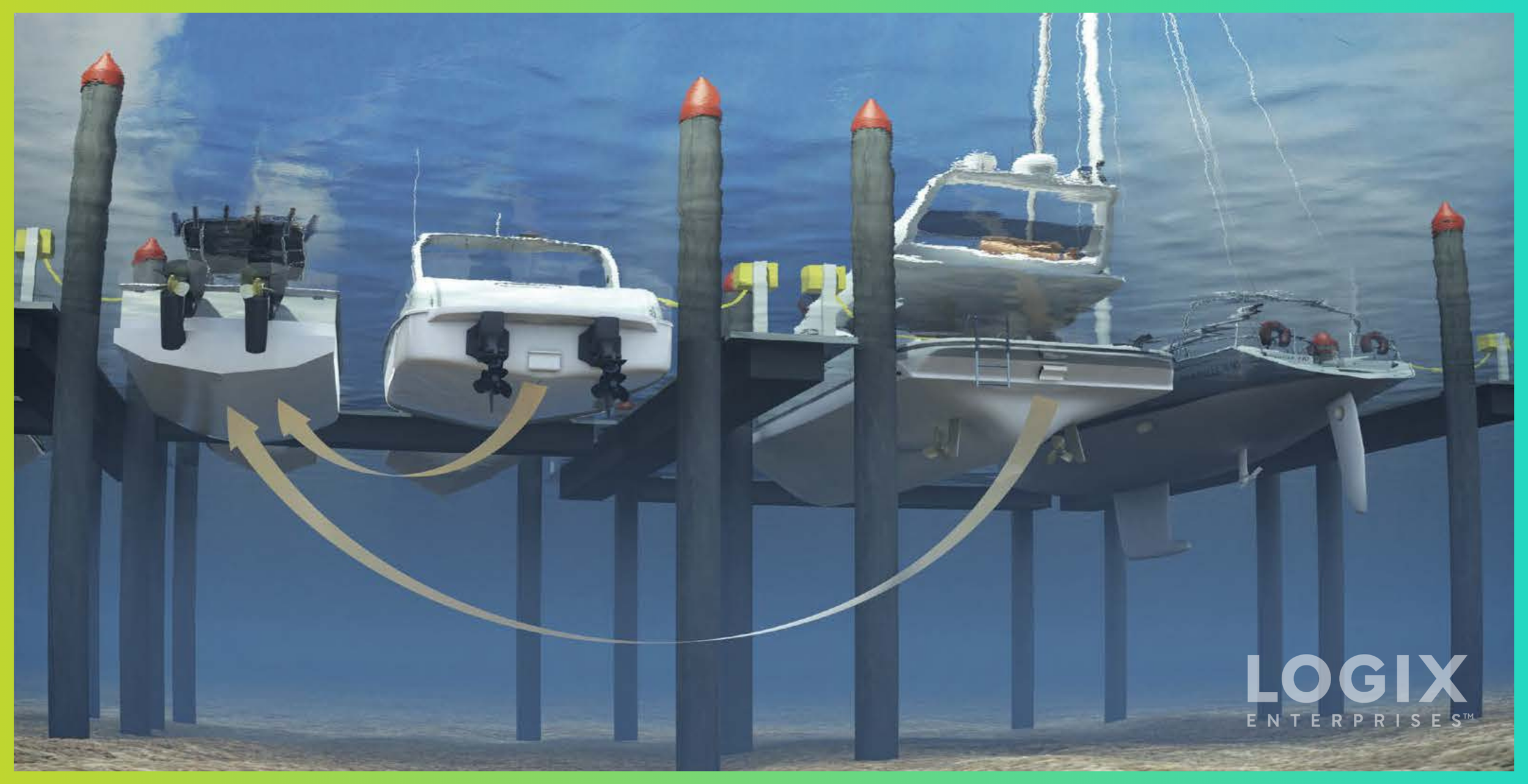
When a vessel connects to shore power, its electrical system becomes connected to the marina’s shore earth. This can create a pathway for DC currents to travel between vessels and underwater metals. This can simply be just galvanic currents (the potential difference between vessels and infrastructure), but can also be stray DC currents from a fault condition elsewhere on this common system. Both this galvanic coupling and stray current corrosion can be extremely aggressive and may cause rapid anode depletion and damage to underwater components, sometimes bypassing the vessel’s normal cathodic protection system.
A properly functioning galvanic isolator, such as the MPS Electrolysis Blocker™, helps interrupt these corrosion-causing currents while maintaining the vessel’s safety connection to shore earth. Regular testing is also important to ensure the isolation system is working correctly.
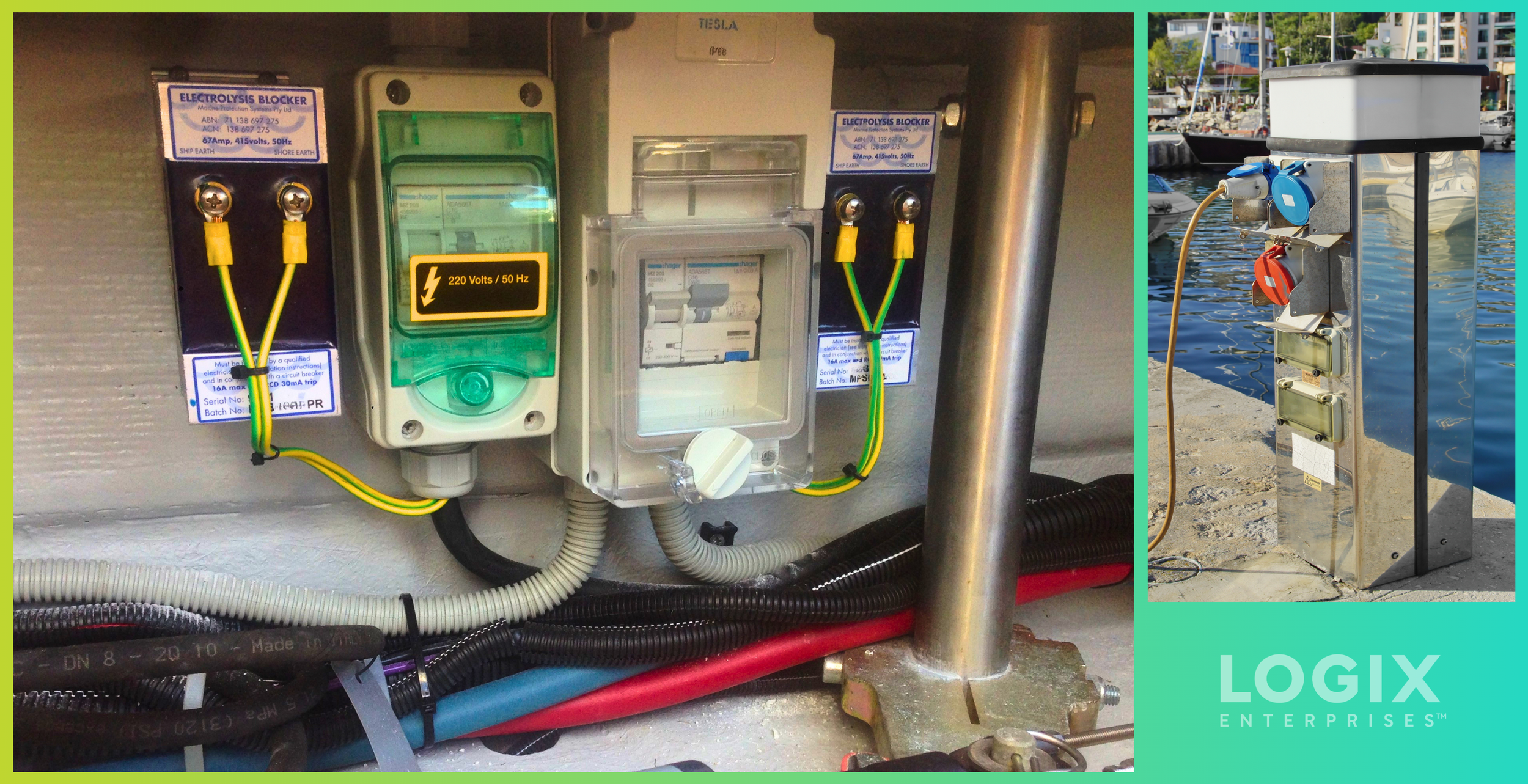
It is also important to remember that shore power is only one potential influence. Bonding, anode selection, coatings, electrical faults and the surrounding marina environment can all affect your vessel’s corrosion protection.
The key is to identify the source before damage occurs. Monitoring shore power influences and regularly checking your vessel’s cathodic protection can help detect problems early and prevent costly repairs.
At Logix Consulting, we believe effective corrosion control starts with understanding what is happening beneath the surface. The right testing, isolation and protection systems can make a significant difference to your vessel’s long-term performance.
Protect your vessel. Understand your electrical environment.